

Avoiding imposter syndrome in the art world
With this one simple trick!

So much of working in the art world is being comfortable in rooms you don’t necessarily belong in. I always joke that my socio position is higher than my economic one, giving me access to spaces I otherwise wouldn’t. This is the art world in a nutshell—artists (and art writers) get access to rooms filled with the upper echelons for the cultural clout and liveliness they bring.
I would be lying if I said I never feel out of place in these rooms. I do. But I’ve also worked hard to become more comfortable and confident in all types of spaces. You’ll never hear me saying I have imposter syndrome! I’ve worked way too hard for that.
Last month, I visited Christie’s in New York for their auction preview. I was not giving up the opportunity to see top-tier artworks that had been in private collections for the last thirty years, and were about to return there for another thirty. The mood was electric. People were gleeful in the presence of these artworks, smiling, laughing, posing for pictures. It was a contagious atmosphere that reminded me that people really love art. There were also a lot of people there who would be bidding on said art, asking to view work in private, walking around with their advisors. And I’m just there gawking. It’s helpful, in these cases, to remind yourself that you don’t need money to enjoy art.
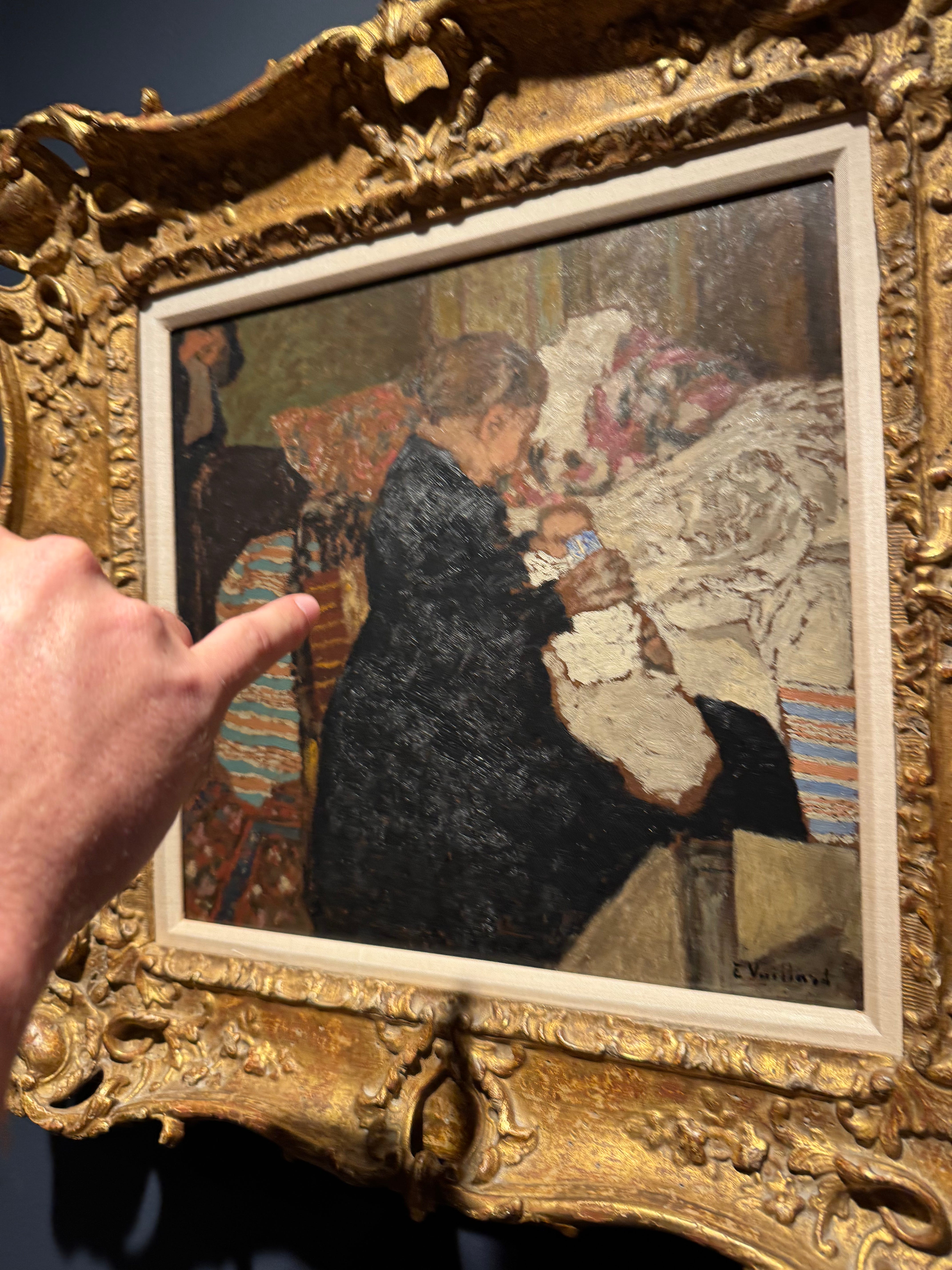
On last week’s podcast, Bronwyn and I answered a question from someone who felt they weren’t part of an in-crowd with millions of dollars to spend on art. This person has really stuck with me; what they’re feeling is real. The inequalities that exist in the world are mirrored within the art market. Part of being an active member in the art world is accepting that you will never have as much money as most people in this industry, and still knowing the innate value you bring to the art world. I’ll repeat myself here: You don’t have to have money to enjoy art!!
As I was thinking about this subject, I came up with a very actionable way to become more comfortable in art spaces: go to a designer store and ask for the price of something. These places are open to the public, and there’s nothing wrong with going just to look. By intentionally entering a luxury space that might be outside your norm, you’re emulating the feeling of being at a fancy art event in a controlled environment.
I’ve gotten very good at asking for prices in these luxury contexts, slowly chipping away at any shame involved with the sticker shock of not being able to afford something. I simply nod when they tell me, say thank you, and move on with my day. There’s no justification needed. This habit has also helped me feel more secure in art galleries. If I’m interested in an artwork, I ask questions with a full understanding that I belong there, even if I’m not buying something.
The crux of becoming comfortable in these spaces is not chasing something or pretending to be something you’re not—incredibly wealthy or walking around with an air of importance—but instead being fully yourself and confident as that. I don’t have to be an imposter at all—I can simply be myself.
I grew up in NYC and as a kid would often go to Christies and Sotherby’s with my friends and leave jelly beans in the frames. So fun!
I guess, I would tend to ask about a particular piece, if it pulled on me. I'd want to hear if the gallery assistant/gallerist/curator know what the artist said about it, what they think, along with how it affects that person in the gallery. A lot of people who work at galleries can't afford what's there but they love it. They want to be heard, acknowledging that what they do is important too.